Table Of Content
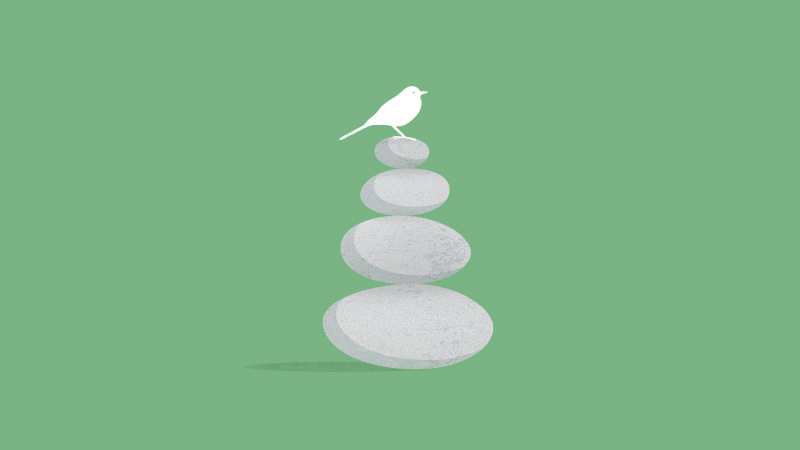
The clockwise force should be much greater, and the seesaw should be touching the ground on the right. Assuming you were both about the same size, you were able to easily balance on the seesaw. The following image appears to be in balance, with two equally sized people equally distant from the fulcrum on which the seesaw balances. Discordant balance (also called off-balance!) is when elements aren’t balanced at all. This can make viewers uncomfortable and stop them in their tracks. With this type of balance, you could draw a line through the middle of your design and each side would be the same.
Leveraging Size for Visual Balance
By using size, color, contrast, and placement strategically, designers can guide viewers' eyes through the design in a deliberate sequence. For instance, larger and bolder fonts often denote primary messages, while smaller, subtler text serves as secondary or tertiary information. Effective hierarchy not only enhances readability but also enriches user experience by making information consumption intuitive and effortless. Proper implementation of hierarchy ensures that a design communicates its message clearly and effectively, establishing an order that makes visual sense to the viewer. Even people who know about symmetrical and asymmetrical balance might have their doubts when it comes to actually implementing them in the design.
Being A Creative Agency, We Love To Reinvent Brands With Our Design Services.
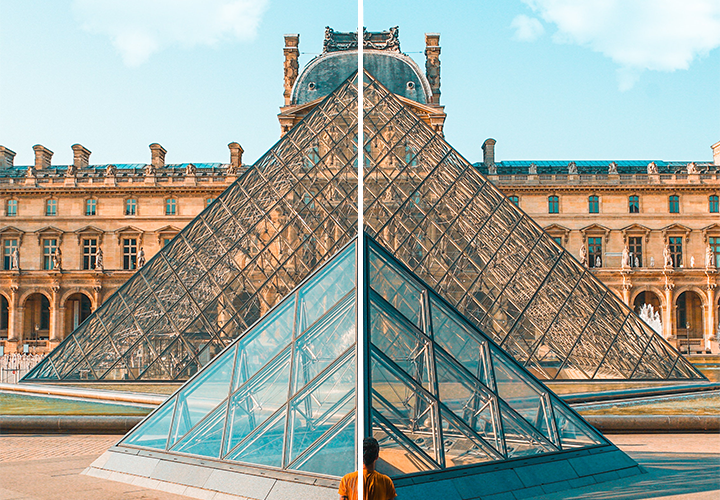
Although they differ in physical weight, the image above remains visually balanced because both objects compete for our attention equally. The elements of design are the building blocks of visual art, including point, line, shape, and space. Together, they combine to create visually engaging compositions in any design project. Contrasting elements in a design could refer to font choice, shapes, patterns, textures, graphic size and more. You’ve likely seen this famous print before, which is known as the The Great Wave off Kanagawa. We have put together the essential principles of design that will form your guiding compass as a creator.
Examples of balance in graphic design
All design elements and principles—typography, colors, images, shapes, patterns, etc.—carry a visual weight. Some elements are heavy and draw the eye, while other elements are lighter. The way these elements are laid out on a page should create a feeling of balance. Contrast is a critical principle of design that enhances the distinctiveness of elements within a composition. It involves setting opposing elements against each other to emphasize differences and create visual interest.
How to create emphasis in interior design – 6 ways to use this design principle, and why it matters in every space - Homes & Gardens
How to create emphasis in interior design – 6 ways to use this design principle, and why it matters in every space.
Posted: Mon, 06 Mar 2023 08:00:00 GMT [source]
Symmetrical Balance
In the following design, the shapes of the products being featured, and the movement around them, is balanced by the relatively plain space above and below. Designers can achieve balance through colors when they bring together small areas of bright colors with a large area of a darker color. However, to get this done just right it’s important to understand the ideas behind color psychology and how different colors work together. The intent here is to use chaos to create movement while maintaining the aesthetics. Jackson Pollock is one of the most popular abstract expressionists who created masterpieces with mosaic balance. His paintings are great examples of the phrase “calm in chaos”.
Examples Of Symmetrical Balance
Radial balance is created by having a clear central point from which the other elements radiate. The concepts of balance discussed above are applicable to all kinds of designs. This includes your ad designs and social media posts, and marketing videos and motion graphics too! So have fun working with your designer to discover how balance can make your designs even better. Without this neutralizing effect a design could become an asymmetrically balanced design.
Movement
NSA, U.S. and International Partners Issue Guidance on Securing Technology by Design and D - National Security Agency
NSA, U.S. and International Partners Issue Guidance on Securing Technology by Design and D.
Posted: Thu, 13 Apr 2023 07:00:00 GMT [source]
Balance in design is how you arrange and position elements in a composition, and it's about distributing the weight of those elements. Designers adhere to those rules to create pleasant user experiences and visually appealing end products. Rather than balancing both sides of a centered line, you can also choose to use radial balance around a single point (like a snowflake). With its simple design, the InClean business card achieves perfect symmetry and balance. The first three letters are noticeably wider than the last three letters, creating a sense of greater visual weight in the first half of the wordmark.
Negative Space
This Starbucks logo has these two characteristics aside from its many other appealing elements. That is when you aim to create discomfort to your design viewers. It could be you want them to stop and focus on a specific visual weight like a brand name or move and take action. Symmetrical balance means even distribution of the visual weight.
Recommended articles
When there is an emphasis on a design element, it means that the specific object is highlighted from the rest and is therefore of great significance and importance. For example, asymmetrical design can be when three lighter elements stacked on top of one another on one side balance out one single heavier item on the opposite side. The items on both sides of the line have evenly distributed visual weight and create a mirrored image. When you start learning graphic design theory, you may be surprised to find out that there are specific rules you need to follow when designing. Sometimes the purpose of the design makes an off-balance or discordant design work well. If the content of your design is also intended to be uncomfortable or make people think, a discordantly balanced design can work well.
Every design element on a page has a different weight, depending on its size, shape, or color. Think of mosaic balance as organized chaos that might look like noise, but actually creates balance thanks to the absence of a distinct focal point. Both are calls to action and both break the symmetry, calling extra attention to themselves. Notice how both arrows use colors that contrast with their background, further increasing the attraction of these elements. I think moving these two elements out of center to make them look like they’re visually centered would balance the composition a little better. Everything reflects around a vertical axis down the center of the page.
In asymmetry, the balance is shifted slightly by altering the perspective. But in discordant or off-balance designs, the balance is shifted so much that it creates a sense of unease and incompleteness in those who view it. The concept behind creating a radial balance in your art is to have a strong central element, that draws the gaze immediately. All around it, placed evenly and equally, are the other elements that support that central design by boosting its impact, without taking away from its own visual impact.
The series of numbers in circles also creates natural but less obvious movement, as the reader knows intuitively another number will follow. As the image above illustrates, even though both sets of shapes aren’t all the same, moving them closer together (or further apart) tells the reader they’re related. The eye tends to naturally read elements near each other as being related, even if they lack other unifying characteristics. All the icons and illustrations represent the topic (“tests”, “experiments”, “diabetes”).



No comments:
Post a Comment